

Taking time to consider people management issues is one of the critical elements of early stage companies’ success. I wanted to follow up with a quick overview of the core HR foundations I share with other startups navigating similar growing pains.
After 20 years working across IT startups, recruitment agencies, and EU organizations, I’ve seen what works and what doesn’t. I’ve witnessed successful projects that transformed companies and failures that ended in disaster. The good news? Most HR disasters are preventable with the right foundations in place.
C.R.I.S.P. methodology
Think of these five elements as your HR foundation. I use the acronym CRISP to make them easy to remember: Culture, Recruitment, Immunity, Systems, and Performance. Below is a slideshow from a workshop I delivered on this topic.
The above presentation was prepared for an HR workshop at Lift99.


Culture: Leading by example
Here’s the truth that many founders don’t want to hear: your behavior will shape your company culture more than any mission statement or values poster ever will. People leave managers, not jobs. If you want to build a culture of ownership, you need to actually delegate. If you want transparency, you need to share information openly. Your team will be watching everything you do and adjusting their behaviors according to their interpretations.
Recruitment: Minimize the Guesswork
Early hires can make or break your startup. To improve your odds:
- Aim to minimize subjective evaluations by using structured interviews (same core questions for all applicants)
- Include multiple panel members in the hiring process
- Bring in external experts when you’re hiring for roles outside your expertise
- Test critical skills in written form before making an offer
Think carefully about what kind of team you’re building. Every hire shapes your culture and sets expectations for who comes next.
Immunity: Build Resilience Before You Need It
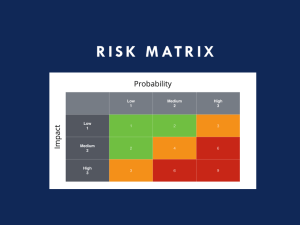
What happens if your lead developer quits tomorrow? What if your main financial backer folds? These aren’t pleasant scenarios to imagine, but they’re exactly the kind of risks you need to plan for. Spend time creating a risk matrix. Identify your most likely and highest-impact risks. Build redundancy into critical roles. Document work processes so it will be easier to train new staff. The best time to prepare for these situations is before they happen, not during the crisis.
Systems: Automate Before You’re Drowning
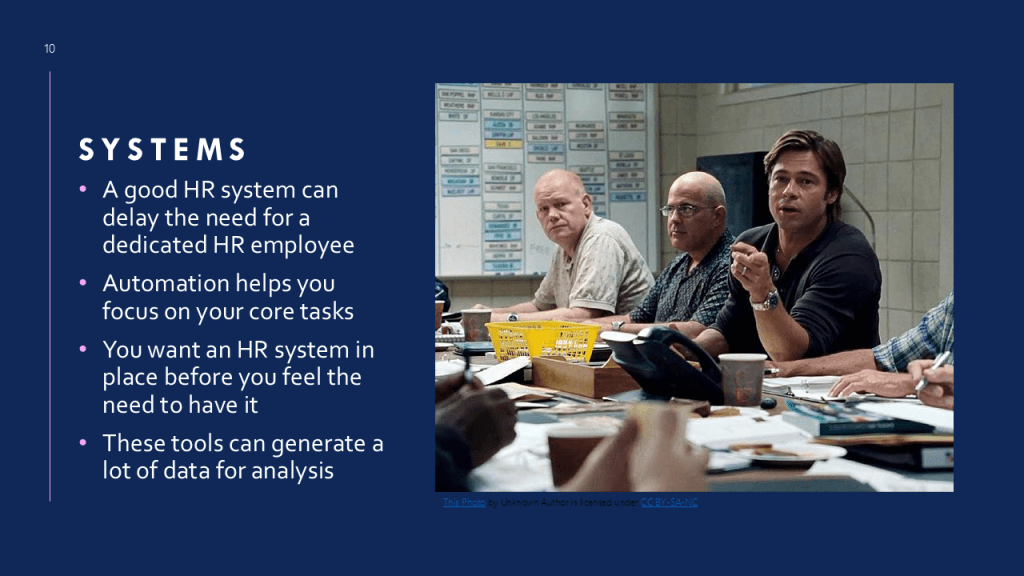
A good HR system can actually delay the need to hire a dedicated HR person, saving you valuable funds. The right tools automate routine tasks, help you stay compliant, and generate data for better decision-making. You want an HR system in place before you feel like you desperately need one. When individuals fail or drop the ball, good systems take over and keep things running smoothly.
Performance: What Gets Measured Gets Done
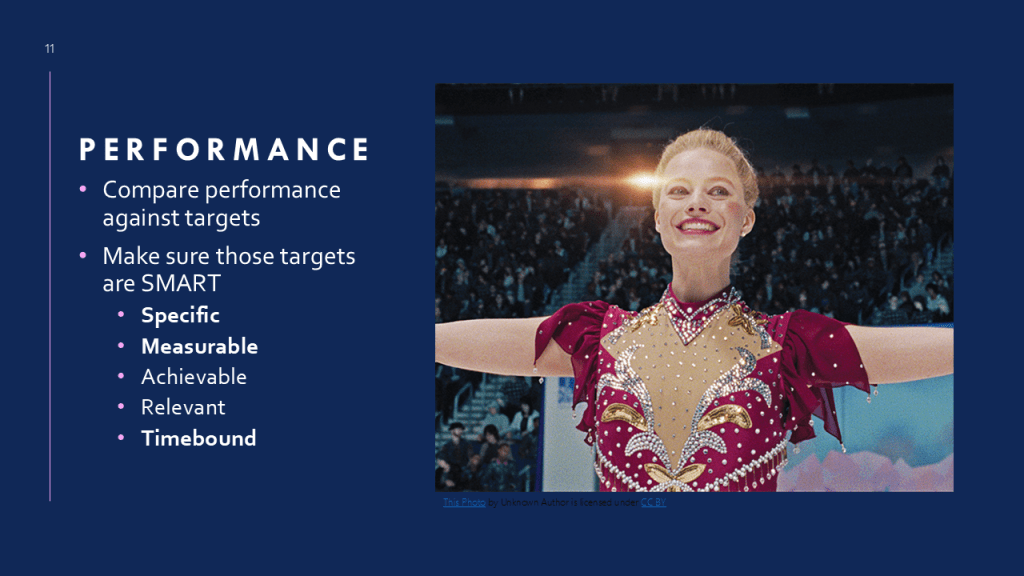
Peter Drucker was right—what gets measured gets done. But you need to measure the right things, and you need to compare performance against clear targets.
Make sure your goals are SMART:
- Specific – Clear and unambiguous
- Measurable – You can track progress
- Achievable – Challenging but realistic
- Relevant – Aligned with business objectives
- Timebound – Has a deadline
Start Small, But Start Now
You don’t need to implement everything at once. Pick one area where you’re feeling the most pain and start there. Maybe it’s tightening up your recruitment process, or finally documenting your key workflows, or setting clear quarterly goals. The key is to build these foundations while you’re still small enough to be nimble.
An HR professional is a luxury that doesn’t generate new sales or improve the product. By implementing these core people concepts successfully, you can delay the need for hiring a dedicated HR staff member significantly, saving you valuable resources.
 www.borealhr.com